
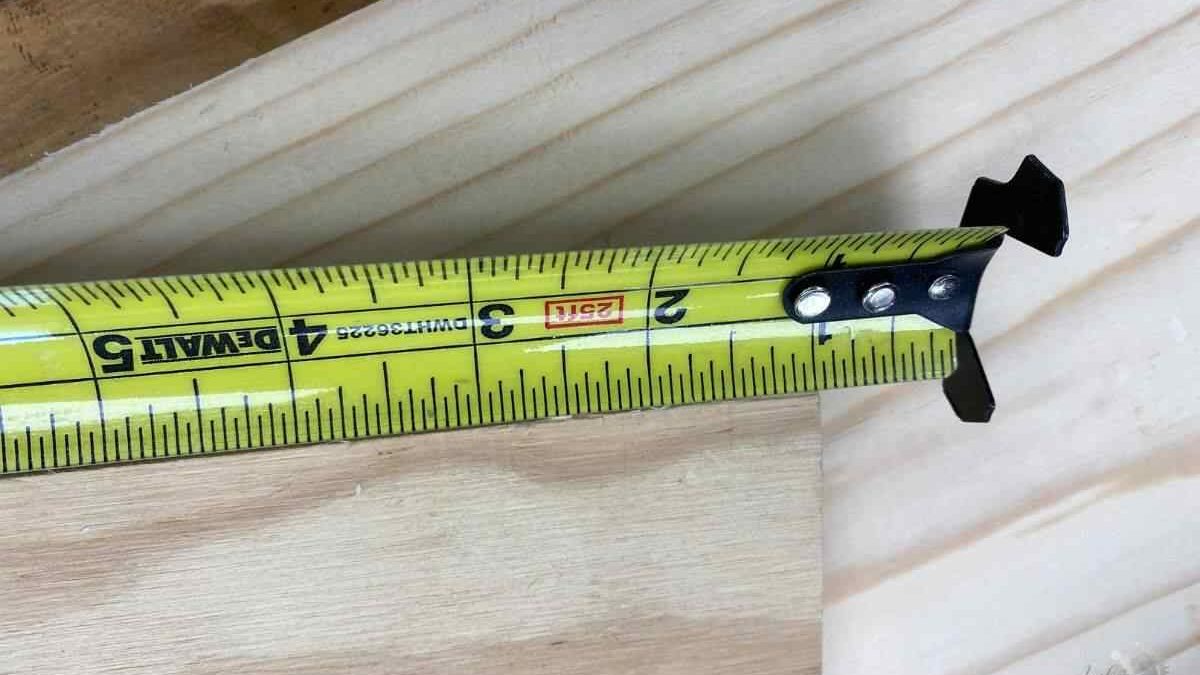
Understanding ruler measurements is a foundational skill used in education, construction, tailoring, design, and everyday life. While a ruler may look simple, its markings can initially feel confusing—especially when dealing with fractions, millimeters, or decimal scales.
This comprehensive guide explains ruler measurements in detail, covering both imperial (inches) and metric (centimeters and millimeters) systems, along with practical examples, tables, and visual-style breakdowns to help you master the concept.
Table of Contents
What Is a Ruler and Why It Matters
A ruler is a straight measuring tool typically made of plastic, wood, or metal, used to measure length and draw straight lines. Standard rulers usually measure:
- 12 inches (imperial system)
- 30 centimeters (metric system)
Most rulers include both systems on opposite sides, making them versatile for global use.
Types of Ruler Measurement Systems
1. Imperial System (Inches)
Used mainly in the United States and some industries.
Key Features:
- 1 foot = 12 inches
- Each inch is divided into fractions like:
- 1/2
- 1/4
- 1/8
- 1/16
2. Metric System (Centimeters & Millimeters)
Used worldwide and easier due to base-10 structure.
Key Features:
- 1 meter = 100 centimeters
- 1 centimeter = 10 millimeters
How to Read a Ruler (Step-by-Step)
1: Identify the Scale
- Look for cm/mm or inch markings
- Usually:
- Top = inches
- Bottom = centimeters
2: Start from Zero
Align the object with the 0 mark, not the edge of the ruler.
3: Read Whole Units
- Count full inches or centimeters first
4: Add Fraction or Decimal
- Identify the smaller lines between numbers
5: Combine the Reading
Example:
- 2 inches + 1/4 inch = 2¼ inches
Understanding Inch Measurements (Detailed Breakdown)
Each inch is divided into 16 equal parts in most rulers.
Inch Line Hierarchy
| Line Length | Fraction | Description |
| Longest | 1 inch | Main unit |
| Second longest | 1/2 | Half inch |
| Medium | 1/4 | Quarter inch |
| Shorter | 1/8 | Eighth inch |
| Shortest | 1/16 | Smallest unit |
Fraction to Decimal & Metric Conversion Table
| Fraction | Decimal | Millimeters |
| 1/16 | 0.0625 | 1.5875 |
| 1/8 | 0.125 | 3.175 |
| 1/4 | 0.25 | 6.35 |
| 1/2 | 0.5 | 12.7 |
| 3/4 | 0.75 | 19.05 |
| 1 | 1.0 | 25.4 |
Visual Breakdown of Inch Divisions (Pie Representation)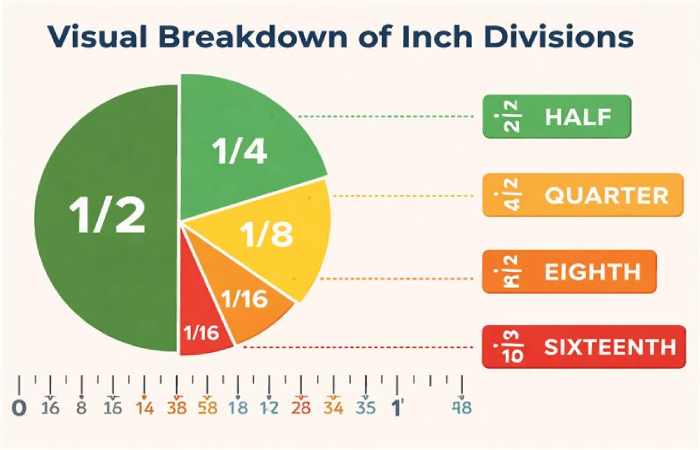
Understanding Metric Ruler Measurements
Metric rulers are simpler because they use base 10.
Structure:
| Unit | Value |
| 1 cm | 10 mm |
| 10 cm | 1 decimeter |
| 100 cm | 1 meter |
Metric Line Breakdown
| Line Type | Measurement |
| Long line | 1 cm |
| Medium line | 0.5 cm |
| Small line | 1 mm |
Example:
If the measurement ends at:
- 5 cm + 3 small lines → 5.3 cm
Imperial vs Metric: Key Differences
| Feature | Imperial | Metric |
| Units | Inches | cm/mm |
| System | Fractions | Decimals |
| Complexity | Higher | Lower |
| Precision | Fraction-based | More accurate |
Types of Rulers You Should Know
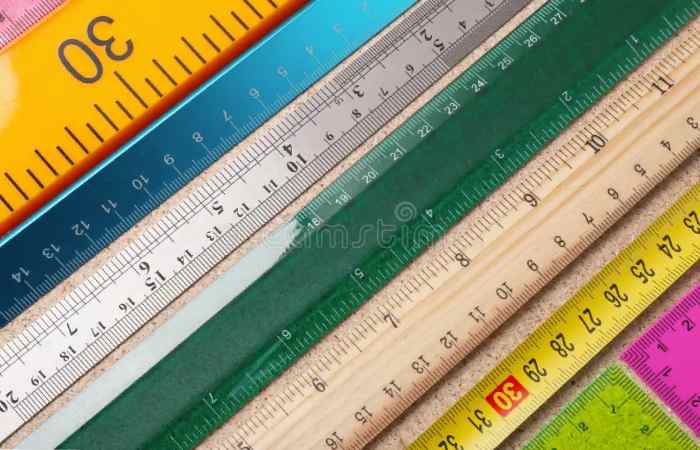
1. Standard Ruler
- 12 inches / 30 cm
- Most common
2. Scale Ruler
- Used in architecture and engineering
3. Digital Ruler
- Online or app-based
4. Decimal Ruler
- Uses decimals instead of fractions
- Example: 0.1, 0.01
Price Comparison of Different Rulers
| Type | Material | Price Range (₹) | Use Case |
| Plastic ruler | Basic plastic | 10 – 50 | School use |
| Steel ruler | Stainless steel | 100 – 300 | Precision work |
| Wooden ruler | Wood | 50 – 150 | General use |
| Digital ruler | Electronic | 500 – 2000 | Professional |
Common Mistakes When Reading a Ruler
- Not starting from zero
- Confusing 1/8 with 1/16
- Mixing metric and imperial units
- Ignoring smallest divisions
- Measuring from ruler edge instead of scale
Practical Examples
Example 1:
Object ends between 3 and 4 inches at 1/2 mark
→ Answer: 3.5 inches
Example 2:
Object ends at 7 cm + 6 mm
→ Answer: 7.6 cm
Example 3:
Between 2 and 3 inches at 3rd small line
→ Answer: 2 3/16 inches
Real-Life Applications of Ruler Measurements
- School assignments
- Tailoring and fashion design
- Engineering and construction
- Interior design
- DIY crafts
Advanced Tip: Counting Lines Quickly
Instead of memorizing:
- Count lines between inches
- Total lines = denominator (usually 16)
Example:
- 4th line → 4/16 = 1/4
Conversion Cheat Sheet
| Inches | Centimeters |
| 1 inch | 2.54 cm |
| 2 inches | 5.08 cm |
| 5 inches | 12.7 cm |
| 10 inches | 25.4 cm |
Pro Tips for Accuracy
- Use eye-level measurement
- Avoid worn-out rulers
- Use steel rulers for precision
- Double-check fractions
Why Learning Ruler Measurements Is Important
Understanding ruler measurements is not just academic—it’s practical:
- Helps in accurate calculations
- Improves spatial awareness
- Essential for technical careers
- Saves time in real-world tasks
Conclusion
Ruler measurements may seem complex initially, but once you understand the logic behind fractions (imperial) and decimals (metric), the system becomes straightforward.
Key takeaways:
- Inches are divided into fractions
- Metric uses base-10 simplicity
- Practice improves speed and accuracy
- Visualizing divisions (like pie charts) helps retention
Mastering ruler reading is a small skill with significant real-world value. Whether you’re a student, designer, or DIY enthusiast, this knowledge ensures precision in everything you measure.