
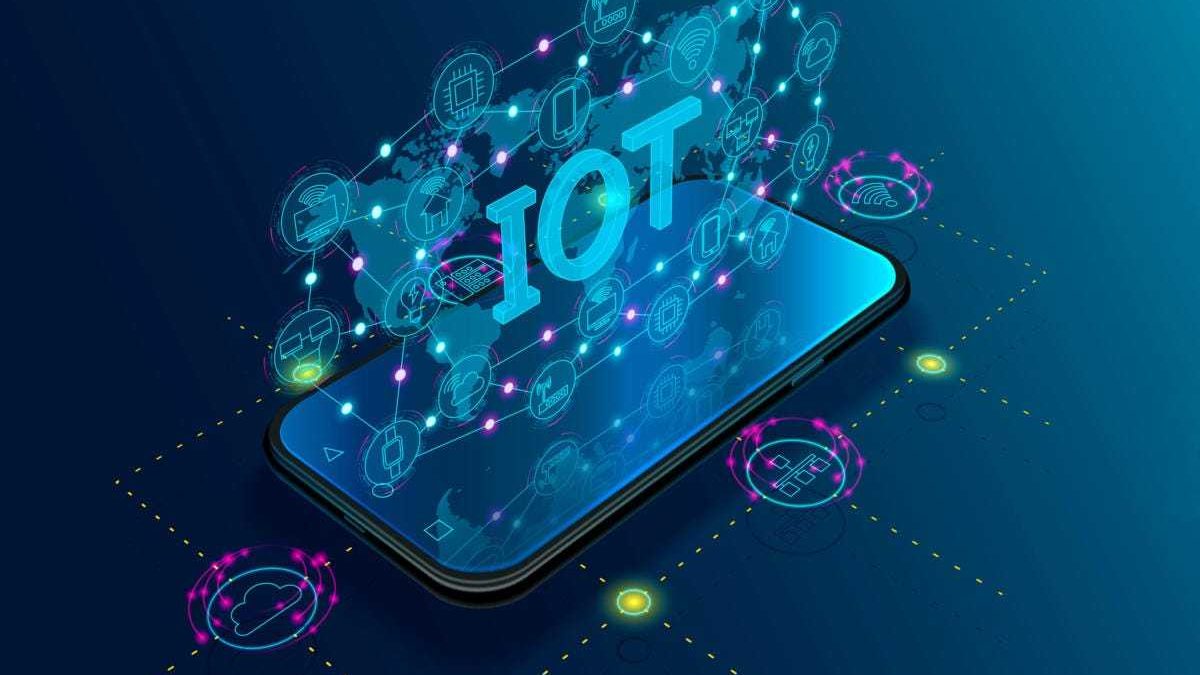
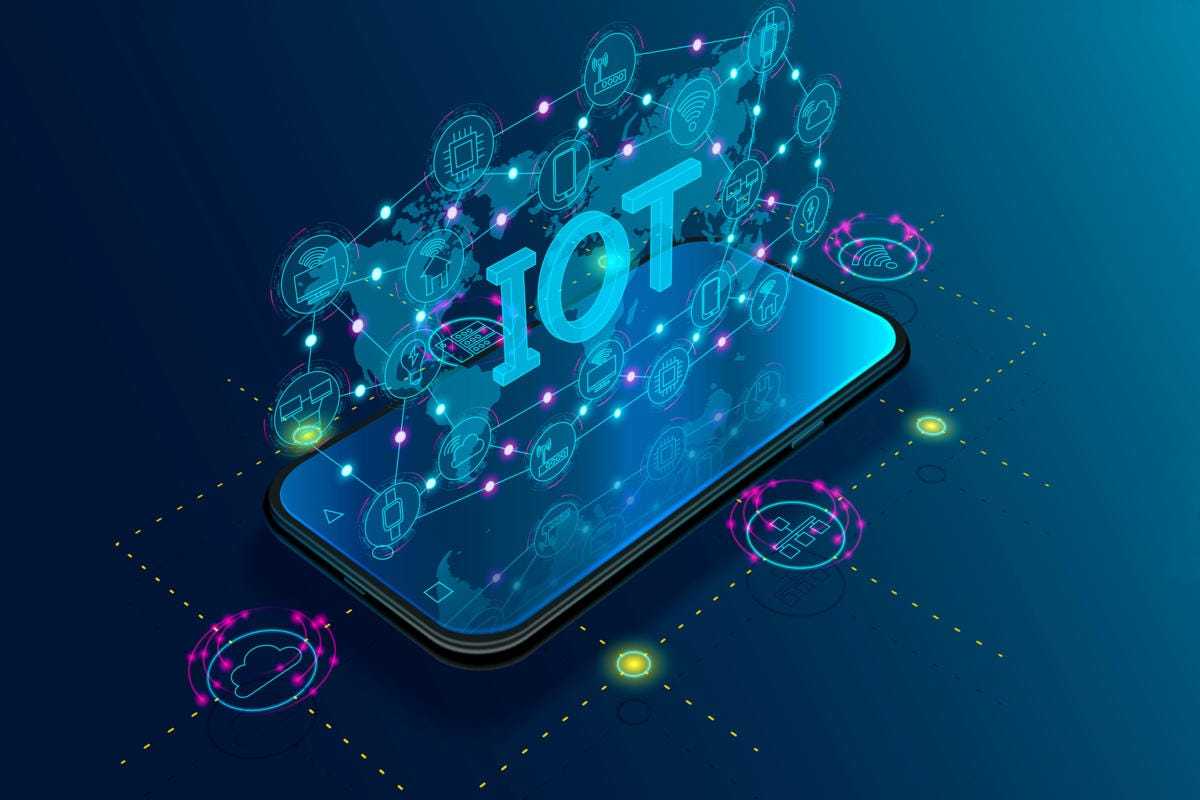
The Internet of Things (IoT) is transforming the way people interact with technology, businesses operate, and cities function. From smart homes and wearable devices to automated factories and connected healthcare systems, IoT is creating a world where everyday objects communicate with each other through the internet.
Over the past decade, IoT has evolved from a futuristic concept to a critical component of the global digital ecosystem. Devices embedded with sensors, software, and connectivity can collect and exchange data in real time, allowing systems to automate tasks, improve efficiency, and deliver smarter services.
With billions of connected devices already in use and many more expected in the coming years, IoT is shaping the future of industries, economies, and everyday life.
Table of Contents
What Is the Internet of Things (IoT)?
The Internet of Things refers to a network of physical devices such as appliances, vehicles, sensors, and machines that are connected to the internet and capable of collecting and exchanging data.
These devices communicate with each other without direct human involvement, enabling automation and intelligent decision-making.
Simple Examples of IoT Devices
- Smart thermostats that adjust temperature automatically
- Fitness trackers that monitor health metrics
- Smart refrigerators that track groceries
- Connected vehicles that provide maintenance alerts
- Smart irrigation systems for agriculture
IoT bridges the gap between the physical world and digital systems, enabling objects to sense, analyze, and respond to environmental data.
Growth of IoT Around the World
The adoption of IoT has grown rapidly due to advances in cloud computing, artificial intelligence, and wireless connectivity.
Global IoT Device Growth
| Year | Estimated Connected IoT Devices |
| 2015 | 8 billion |
| 2020 | 11.7 billion |
| 2023 | 16.6 billion |
| 2025 (Projected) | 30 billion |
According to industry estimates, IoT devices surpassed 16 billion globally in 2023, and the number is expected to rise dramatically in the coming years.
This massive growth is driven by demand for automation, data-driven insights, and improved connectivity.
Core Components of IoT Technology
IoT systems rely on several technologies working together to collect, transmit, and analyze data.
1. Sensors and Devices
Sensors collect information from the environment, such as:
- Temperature
- Motion
- Humidity
- Light
- Location
These sensors are embedded in everyday objects, enabling them to gather data continuously.
2. Connectivity
The collected data is transmitted through networks such as:
- Wi-Fi
- Bluetooth
- 5G
- Cellular networks
- Low-power wide-area networks (LPWAN)
These technologies allow devices to communicate with cloud platforms and other devices.
3. Data Processing
Once data reaches cloud systems, it is processed and analyzed using:
- Data analytics
- Artificial intelligence
- Machine learning
These tools transform raw data into useful insights.
4. User Interface
The processed data is displayed through dashboards, apps, or alerts, enabling users to monitor systems and make decisions.
How IoT Is Connecting the World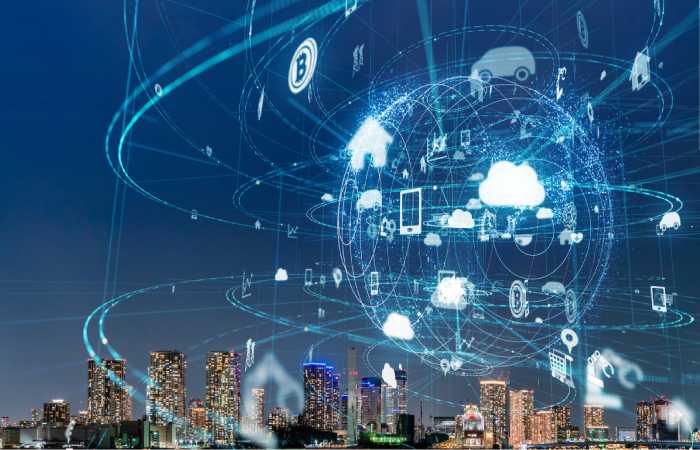
IoT connects billions of devices across industries, creating intelligent systems that operate seamlessly.
1. Smart Homes
Smart homes are one of the most visible examples of IoT technology.
Common smart home devices include:
- Smart lighting systems
- Security cameras
- Smart thermostats
- Voice assistants
- Smart door locks
These devices allow homeowners to control their environment remotely through mobile apps or voice commands.
Benefits of Smart Homes
- Energy efficiency
- Enhanced security
- Greater convenience
- Automated household management
Smart home systems can even learn user behavior and adjust settings automatically.
2. Healthcare and Medical IoT
The healthcare sector is experiencing a revolution through IoT-enabled medical devices.
Examples include:
- Wearable fitness trackers
- Remote patient monitoring devices
- Smart insulin pumps
- Connected heart monitors
Doctors can track patient health in real time, improving diagnosis and treatment.
Key Benefits in Healthcare
- Remote patient monitoring
- Early detection of health issues
- Reduced hospital visits
- Improved treatment outcomes
IoT enables continuous health monitoring, helping doctors make faster and more accurate decisions.
3. Smart Cities
Cities around the world are using IoT to improve urban infrastructure and public services.
Applications of IoT in Smart Cities
- Smart traffic management
- Intelligent street lighting
- Waste management systems
- Environmental monitoring
- Public safety surveillance
For example, smart traffic lights adjust signals based on traffic patterns, reducing congestion and emissions.
4. Industrial IoT (Industry 4.0)
Manufacturing industries are adopting IoT to create smart factories.
Industrial IoT Applications
- Predictive maintenance
- Machine performance monitoring
- Automated Production Lines
- Quality control systems
Sensors installed in machines monitor performance and predict failures before they occur.
This reduces downtime and increases productivity.
5. Agriculture and Smart Farming
IoT is transforming agriculture by helping farmers make better decisions.
IoT Technologies Used in Farming
- Soil moisture sensors
- Climate monitoring systems
- Automated irrigation systems
- Livestock tracking devices
Farmers can monitor crops and soil conditions in real time, improving yield and reducing resource waste.
6. Transportation and Logistics
The transportation industry benefits significantly from IoT.
Connected Transportation Systems
- Smart vehicles
- Fleet tracking systems
- Real-time traffic monitoring
- Predictive vehicle maintenance
Connected cars can alert drivers when maintenance is required and suggest optimal routes based on traffic data.
IoT Market Value and Economic Impact
The economic potential of IoT is enormous.
Industry research estimates that IoT could generate $5.5 trillion to $12.6 trillion in global economic value by 2030 across various industries.
Economic Impact by Industry
| Industry | Estimated IoT Impact |
| Manufacturing | $1.2 – $3.7 trillion |
| Healthcare | $1.1 trillion |
| Smart Cities | $1.7 trillion |
| Energy | $1 trillion |
| Retail | $700 billion |
These numbers show how IoT is becoming a fundamental driver of digital transformation.
IoT Technology Stack
The IoT ecosystem consists of several interconnected layers.
IoT Architecture Layers
| Layer | Function |
| Device Layer | Sensors and hardware devices |
| Connectivity Layer | Communication networks |
| Data Processing Layer | Cloud computing and analytics |
| Application Layer | User interfaces and dashboards |
This layered architecture enables seamless communication between devices and software platforms.
IoT Device Cost Comparison
Below is an approximate cost comparison for common IoT devices.
| Device Type | Average Price Range |
| Smart Thermostat | $100 – $250 |
| Smart Security Camera | $50 – $200 |
| Smart Door Lock | $120 – $300 |
| Fitness Tracker | $50 – $400 |
| Smart Lighting System | $20 – $150 |
Prices vary depending on brand, features, and integration capabilities.
IoT Industry Adoption
Below is a simplified representation of IoT adoption across industries.
| Industry | IoT Adoption Share |
| Manufacturing | 25% |
| Smart Cities | 20% |
| Healthcare | 18% |
| Retail | 15% |
| Transportation | 12% |
| Agriculture | 10% |
Manufacturing and smart city applications currently dominate IoT adoption.
Key Benefits of the Internet of Things
IoT provides several advantages across industries.
- Automation
Connected systems can perform tasks automatically without human intervention.
- Real-Time Data Insights
IoT devices continuously collect data, enabling organizations to make better decisions.
- Cost Savings
Automation reduces operational costs and resource waste.
- Improved Efficiency
IoT optimizes processes and enhances productivity.
- Enhanced Customer Experience
Businesses can deliver personalized services based on real-time data.
These benefits make IoT a major driver of digital innovation.
Challenges Facing IoT
Despite its advantages, IoT also presents several challenges.
- Security Risks
More connected devices create additional opportunities for cyberattacks.
- Data Privacy Concerns
IoT devices collect large amounts of personal data.
- Interoperability Issues
Different manufacturers often use incompatible standards.
- High Implementation Costs
Large-scale IoT deployments require significant investment.
These challenges must be addressed for IoT to reach its full potential.
The Future of IoT
The future of IoT is closely linked with emerging technologies such as:
- Artificial Intelligence
- Machine Learning
- 5G networks
- Edge computing
- Blockchain
The combination of these technologies will enable more intelligent and autonomous systems.
For example:
- Smart cities will use AI-powered traffic systems.
- Healthcare will rely on wearable monitoring devices.
- Factories will operate with fully automated production lines.
As connectivity improves and devices become more affordable, IoT adoption will continue to grow worldwide.
Conclusion
The Internet of Things is connecting the world in unprecedented ways, enabling devices, machines, and systems to communicate and collaborate through the internet.
From smart homes and connected healthcare to intelligent cities and automated factories, IoT is transforming industries and reshaping everyday life. With billions of devices already connected and trillions of dollars in potential economic impact, IoT is one of the most powerful technological trends of the digital era.
As technology continues to evolve, the Internet of Things will play an even greater role in building a smarter, more efficient, and highly connected global ecosystem.