


Digital transformation is reshaping every industry, and higher education is no exception. Universities and colleges today manage thousands of students, complex academic structures, administrative operations, finances, research projects, and human resources. Handling these processes manually or through disconnected systems often leads to inefficiencies, data silos, and errors.
This is where ERP (Enterprise Resource Planning) for higher education comes into play. Modern university ERP platforms integrate academic, administrative, and financial operations into a single digital ecosystem, improving efficiency and decision-making across institutions.
In this comprehensive guide, we will explore what higher education ERP is, its benefits, modules, pricing comparisons, implementation strategies, and the best solutions available today.
Table of Contents
What Is ERP in Higher Education?
Higher education ERP refers to a comprehensive software platform designed to manage the operations of universities and colleges through a centralized system. It integrates multiple departments such as admissions, academics, finance, HR, and student services into one unified platform.
Instead of operating with separate systems for different departments, ERP software creates a single source of truth where all data is stored and managed. This integration improves transparency, communication, and operational efficiency across campuses.
Educational ERP systems automate routine tasks like admissions processing, attendance tracking, course scheduling, payroll management, and exam grading, significantly reducing administrative workloads.
Why ERP Is Essential for Modern Universities
Universities today face several challenges:
- Increasing student enrollments
- Digital learning expectations
- Administrative complexity
- Data security requirements
- Regulatory compliance
ERP systems address these challenges by providing automation, analytics, and real-time insights into institutional operations.
Research shows that institutions adopting ERP platforms have reported 35% improvement in administrative efficiency and 28% reduction in operational errors.
Key Modules of Higher Education ERP
A complete university ERP system includes several modules that work together to manage institutional processes.
1. Student Information System (SIS)
The SIS module manages the entire student lifecycle from admission to graduation.
Features include:
- Student enrollment management
- Course registration
- Academic records
- Attendance tracking
- Grade management
- Student performance analytics
Students can access their timetables, attendance, and exam results through self-service portals.
2. Admission Management
Admission management automates the student application process.
Functions include:
- Online application submission
- Document verification
- Application tracking
- Automated merit list generation
- Admission analytics
This system enables universities to conduct fully online admissions, reducing paperwork and improving applicant experience.
3. Academic Management
Academic management modules handle curriculum planning and academic workflows.
Key capabilities:
- Course planning
- Curriculum design
- Lecture scheduling
- Assignment management
- Faculty workload tracking
Faculty members can update lesson plans, assignments, and exam schedules digitally.
4. Finance and Fee Management
Finance modules ensure financial transparency and efficiency.
Features include:
- Fee collection and payment tracking
- Scholarship management
- Financial reporting
- Budget planning
- Expense management
Universities can monitor revenue streams and operational expenses through integrated financial dashboards.
5. Human Resource Management
HR modules help manage university staff and faculty.
Functions include:
- Employee records
- Payroll management
- Leave management
- Performance evaluation
- Recruitment management
This ensures smooth management of teaching and non-teaching staff.
6. Library and Inventory Management
ERP systems also manage university resources.
Capabilities include:
- Library catalog management
- Book tracking
- Digital resources
- Lab inventory tracking
- Asset management
These tools ensure efficient resource allocation and reduce waste.
7. Communication and Collaboration
ERP platforms improve communication across campuses.
They enable:
- Student notifications
- Faculty announcements
- Messaging portals
- Parent communication
- Mobile app notifications
This improves engagement between students, faculty, and administration.
Benefits of ERP in Higher Education
ERP solutions provide multiple advantages for universities.
1. Centralized Data Management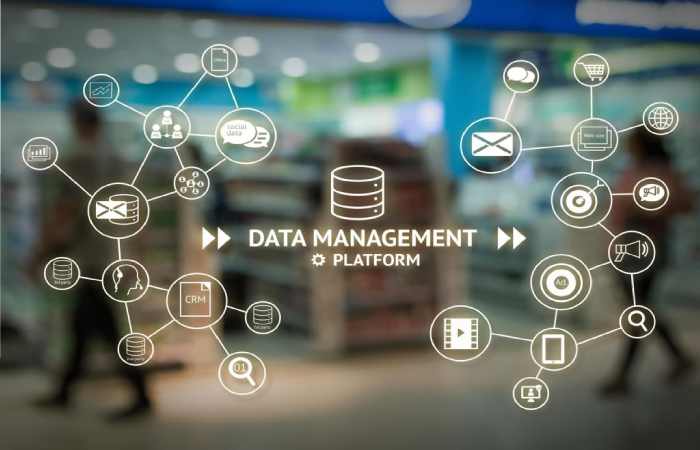
ERP systems consolidate all institutional data in one platform, eliminating duplication and ensuring accuracy.
Benefits include:
- Better data accessibility
- Improved collaboration
- Faster decision-making
2. Increased Operational Efficiency
Automation significantly reduces administrative workload.
Processes such as admissions, course scheduling, and payroll can be completed in minutes instead of hours.
3. Enhanced Student Experience
Modern ERP systems provide self-service portals where students can:
- Check attendance
- Download course materials
- View exam results
- Pay fees online
This improves convenience and transparency.
4. Data-Driven Decision Making
Advanced ERP platforms offer analytics dashboards that help universities track:
- Enrollment trends
- Student retention rates
- Academic performance
- Resource utilization
These insights help administrators make strategic decisions.
5. Improved Financial Management
Financial transparency is a major advantage of ERP systems.
Universities can track:
- Revenue streams
- Department budgets
- Scholarship allocations
- Operational costs
This helps institutions maintain fiscal discipline.
6. Data Security and Compliance
Educational institutions handle large amounts of sensitive data.
ERP systems provide:
- Encrypted data storage
- Role-based access control
- Secure backups
- Compliance with regulations
This protects institutional data from breaches.
ERP Implementation Process in Universities
Implementing ERP systems requires careful planning.
Step-by-Step Implementation
- Institutional needs assessment
- ERP vendor selection
- System customization
- Data migration
- Staff training
- Pilot testing
- Full deployment
Successful implementation can take 6–18 months depending on university size.
Cost of ERP for Higher Education
ERP pricing varies depending on features, deployment model, and number of users.
Typical ERP Pricing Models
| Pricing Model | Description | Estimated Cost |
| Cloud Subscription | Monthly SaaS model | $2–$10 per student/month |
| On-Premise ERP | Installed on campus servers | $50,000 – $500,000 |
| Open-Source ERP | Free core system with customization | $10,000 – $100,000 |
| Enterprise ERP | Large institutions with advanced modules | $500,000+ |
Cloud ERP systems are becoming the preferred option because they reduce infrastructure and maintenance costs.
ERP Market Share in Higher Education
Below is an estimated market distribution of ERP deployment models in universities.
ERP Deployment Model Distribution
| Deployment Type | Usage Percentage |
| Cloud ERP | 55% |
| Hybrid ERP | 25% |
| On-Premise ERP | 20% |
Cloud ERP adoption is increasing rapidly due to scalability and remote access benefits.
Popular ERP Solutions for Universities
Several ERP platforms dominate the higher education market.
1. Workday Student
Workday is a cloud-based ERP system that integrates HR, finance, and student management.
Key strengths:
- AI-powered analytics
- Cloud infrastructure
- Scalable architecture
2. Odoo
Odoo is a flexible open-source ERP system popular among mid-sized universities.
Advantages:
- Modular architecture
- Affordable pricing
- Customizable features
3. Ellucian Banner
Ellucian Banner is widely used by universities worldwide.
Key features:
- Student lifecycle management
- Finance and HR integration
- Advanced analytics tools
4. Jenzabar One
Jenzabar offers comprehensive campus management solutions.
Features include:
- Student information system
- Financial management
- Institutional analytics
Example of ERP Adoption in Universities
Government initiatives are also pushing ERP adoption in education.
In India, the Samarth ERP platform has been developed to digitize university operations and improve transparency in higher education institutions.
This platform provides modules for:
- Admissions
- Student lifecycle management
- HR and payroll
- Research management
- Learning management systems
Such initiatives highlight the increasing importance of ERP in modern education.
Challenges in Implementing ERP
Despite its benefits, ERP adoption can face several challenges.
Common Challenges
- High initial implementation cost
- Resistance to change among staff
- Complex system integration
- Data migration difficulties
- Training requirements
However, most institutions recover ERP investment through improved operational efficiency.
Future Trends in Higher Education ERP
ERP systems are evolving with emerging technologies.
Key Trends
- AI-Powered Analytics
AI helps predict student performance and identify dropout risks.
- Mobile-First Platforms
Students increasingly access ERP services through mobile apps.
- Cloud-Native ERP
Cloud platforms reduce infrastructure costs and allow remote access.
- Integration with LMS
ERP systems are integrating with Learning Management Systems for digital learning.
- Smart Campus Technologies
IoT and smart campus tools are being integrated with ERP systems.
How to Choose the Right ERP for Your Institution
Before selecting ERP software, universities should consider the following factors:
Evaluation Checklist
- Scalability
- Customization options
- Integration with existing systems
- Security standards
- Vendor reputation
- Implementation support
- Total cost of ownership
A well-selected ERP solution can support institutional growth for decades.
Conclusion
Higher education institutions are becoming increasingly complex, requiring sophisticated systems to manage academic and administrative operations.
ERP for higher education provides a unified platform that integrates student management, finance, HR, and academic workflows. By automating processes and providing real-time insights, ERP systems help universities improve efficiency, transparency, and student satisfaction.
As digital transformation accelerates, ERP platforms will become the backbone of modern campuses. Institutions that adopt these technologies early will gain a significant advantage in operational efficiency, student experience, and institutional growth.