
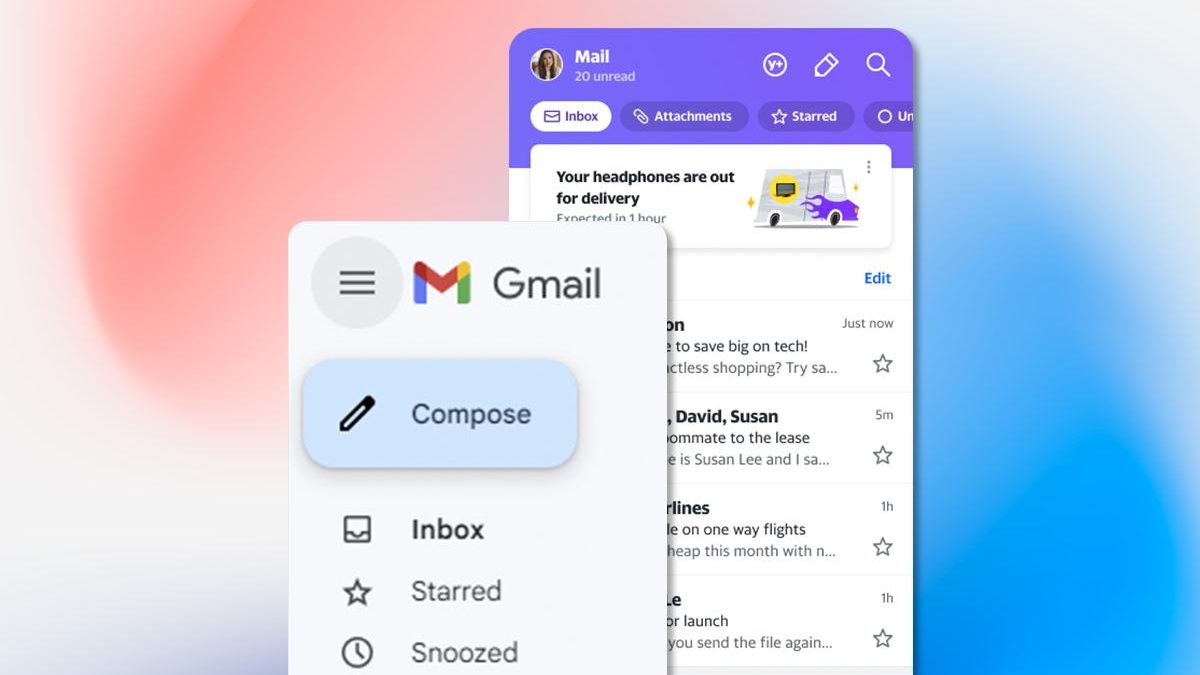
Email is still an important way for people to communicate with each other in their personal and work lives. Even though there are a lot of ways to message people and work together email is still the best way to send formal messages and share information.
The problem is that people get a lot of emails every day. This makes it hard to find the ones and answer them quickly. Some people get between 50 and 120 emails every day. That is a lot of emails to look through.
Every day people send over 360 billion emails, around the world. This number just keeps getting bigger. Because of this a lot of people have trouble keeping their inbox organized.
If you know how to organize your emails you can get a lot more done. Feel less stressed. You will also make sure that you do not miss any emails. This guide will show you some ways to keep your inbox clean and organized. It will tell you about tools and systems that can help you do this. Email is a part of our lives so learning how to manage your email inbox is very important.
Table of Contents
Why Organizing Your Email Inbox Matters
Your email inbox is a deal. If it is not organized it can cause a lot of problems. It can make it hard to get work done communicate with people and manage your time.
People spend a lot of time at work checking emails. Responding to emails. This can be a problem if you do not have a good system, for managing your emails. Your inbox can get really overwhelming when you have many emails to deal with. Managing your emails is important so you can stay on top of things at work.
Email Usage Statistics
| Email Metric | Average Value |
| Emails sent globally per day | 360+ billion |
| Average emails received per day | 50–120 |
| Workweek spent managing email | 28% |
| Emails that are truly important | About 20–25% |
Some numbers show that most emails are not that important. A lot of them are newsletters, notifications or special offers.
Since a few emails really need your attention organizing your email inbox helps you focus on the ones that really matter. This is about your email inbox. It is important to organize your email inbox.
Problems Caused by a Cluttered Inbox
When your email inbox is a mess it can cause a lot of problems. These problems can affect how well you work and how well you can focus on things.
Missing Important Emails
When you have a lot of emails the important ones can get lost. They can get buried under all the messages that are not that important, like newsletters and special offers.
Reduced Productivity
People can waste a lot of time looking for emails or reading emails that they do not need to read. This is a problem with your email inbox. It can happen when your email inbox is not organized.
Increased Stress
Having a lot of emails can be stressful. It can make you feel anxious and overwhelmed. This is not good for your email inbox.
Poor Communication
When you do not respond to emails away it can hurt your relationships with other people. This can happen when your email inbox is not organized. It is a problem, with your email inbox and how you manage your email inbox.
Typical Email Distribution in an Inbox

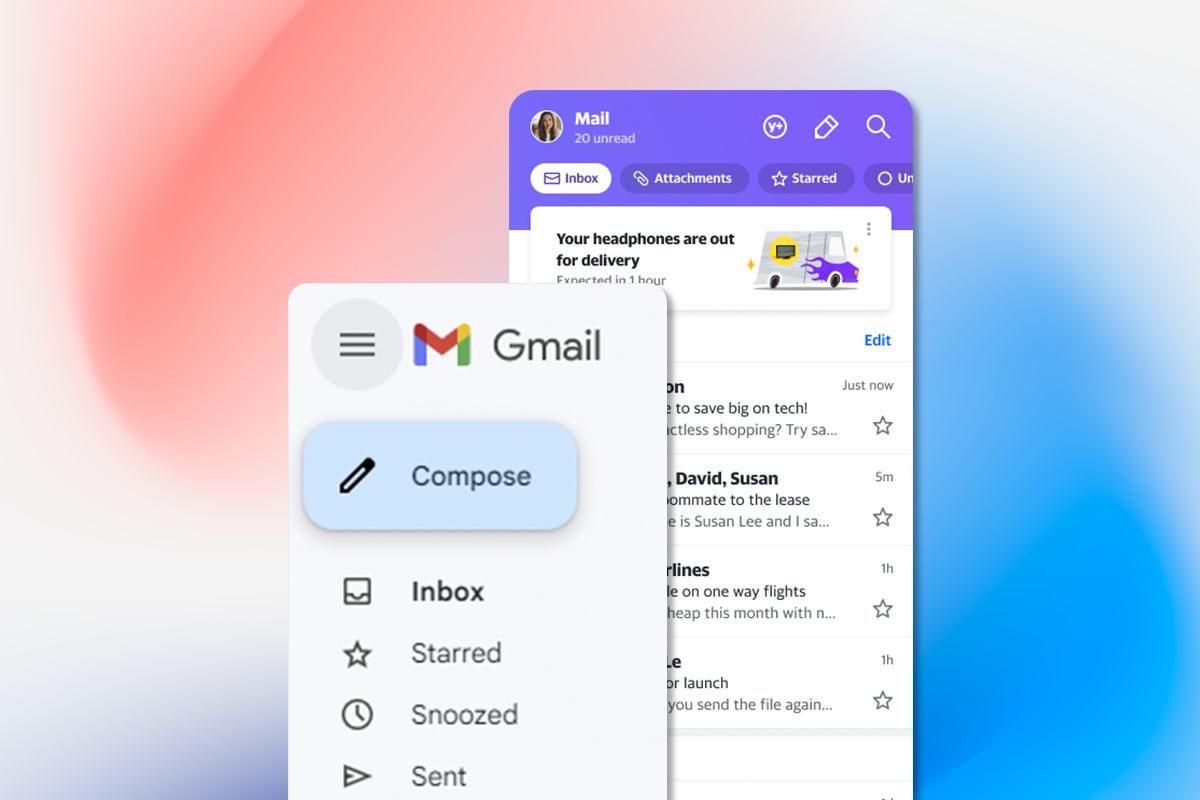
Most inboxes contain a mix of different types of emails. The following table illustrates how emails are typically distributed.
| Email Type | Percentage |
| Work-related emails | 25% |
| Newsletters and subscriptions | 30% |
| Automated notifications | 25% |
| Spam and promotional emails | 20% |
A pie chart of this data would show that most emails are automated messages, not essential communications.
This shows how important filters and automated sorting systems are.
Step-by-Step Guide to Organizing Your Email Inbox
Step 1: Clean Up Your Inbox
This technique can easily help you reduce the size of your email inbox by fifty percent or so in a matter of minutes.
Quick Inbox Cleanup Process
- Delete spam emails.
- Unsubscribe from newsletters you do not need.
- Archive emails older than six months.
- Save attachments, to cloud storage.
- Remove duplicate or irrelevant messages.
Example Cleanup Strategy
| Email Category | Recommended Action |
| Spam emails | Delete immediately |
| Promotional emails | Unsubscribe or filter |
| Old conversations | Archive |
| Important emails | Label or categorize |
You need an effective system for managing your inbox. And a system that you will actually persevere with. Follow these simple guidelines.
Step 2: Create a Clear
- Folder Structure Folders are perfect for categorising your emails so that they are easy to locate and control.
- You can put emails into folders of leaving them all in your inbox.
- This way you can separate them into categories that make sense.
- Recommended Email Folder Structure
Recommended Email Folder Structure
| Folder Name | Purpose |
| Action Required | Emails requiring immediate response |
| Waiting for Reply | Emails awaiting responses |
| Work Projects | Project-related communication |
| Personal | Personal messages |
| Subscriptions | Newsletters and updates |
| Archive | Completed conversations |
With your folders in place, you can easily find your emails and keep your inbox relatively free of clutter.
Step 3: Use Email Filters and Rules
Email filters are very useful, for organizing emails automatically.
Most email services let you create rules that sort emails based on things.
Examples of Email Filters
| Filter Condition | Action |
| Emails from specific sender | Move to folder |
| Emails with attachments | Label as important |
| Newsletters | Move to subscriptions folder |
| Promotional keywords | Mark as low priority |
This means emails get sorted soon as they arrive so you do not have to do it yourself.
Step 4: Implement the Inbox Zero Method
The Inbox Zero method is a way to manage emails and keep your inbox from getting too full.
The goal is to deal with every email and not leave any emails without a response.
Inbox Zero Workflow
| Action | Description |
| Delete | Remove unnecessary emails |
| Delegate | Forward email to appropriate person |
| Respond | Reply immediately if possible |
| Defer | Schedule a later response |
| Archive | Store for future reference |
Using this method helps you keep your inbox organized all the time.
Step 5: Use Labels and Categories
Labels are another way to organize your emails without putting them into folders.
Labels let you sort emails and still keep them in your inbox where you can see them.
Common Email Labels
- Work
- Clients
- Finance
- Marketing
- Personal
- Urgent
Color-coded labels can help you see things clearly and find what you need faster.
Step 6: Get Rid of Unwanted Emails
A lot of emails come from subscriptions.
Many of us sign up for newsletters, promotions and product updates. Rarely read them.
Weekly Subscription Cleanup
Try checking your subscriptions every week.
During this review:
- Unsubscribe from irrelevant newsletters.
- Keep only valuable information sources.
- Move newsletters into a separate folder.
Cutting down on subscriptions can really reduce the number of emails you get.
Step 7: Check Your Email at Specific Times
Checking your email all the time can be distracting and make it hard to focus.
Instead pick times to check your inbox.
Recommended Email Checking Schedule
| Time of Day | Email Activity |
| Morning | Review new emails and prioritize |
| Midday | Respond to urgent messages |
| Afternoon | Process remaining emails |
This way you won’t get interrupted all the time.
Step 8: Use Tools to Manage Your Email
There are tools that can help you organize your inbox better.
Popular Email Organization Tools
| Tool | Key Features | Price Range |
| Clean Email | Bulk email cleaning and automation | $9–$29 per month |
| SaneBox | Smart email filtering | $7–$36 per month |
| Mailbird | Email client with unified inbox | $39 per year |
| Spark Mail | Smart inbox prioritization | Free and premium plans |
These tools can sort your emails automatically find newsletters and highlight messages.
Step 9: Make Important Contacts Stand Out
Many email services let you mark contacts as important or VIP.
Emails, from these people will show up at the top of your inbox. Get special notifications.
Examples of contacts include:
Managers or supervisors
- Clients and business partners
- Team members
- Family members
This ensures that critical communication is never overlooked.
Step 10: Archive Emails Instead of Deleting Them
Archiving emails helps maintain a clean inbox without permanently removing important information.
Advantages of Email Archiving
- Keeps inbox clutter-free
- Preserves important communication records
- Makes emails searchable for future reference
Modern email services provide powerful search tools that allow archived emails to be retrieved instantly.
Ideal Email Folder Hierarchy
Below is an example of a practical folder hierarchy that works for most users.
| Main Folder | Subfolders |
| Work | Projects, Clients, Reports |
| Personal | Family, Friends |
| Finance | Bills, Receipts |
| Subscriptions | Newsletters |
| Archive | Completed emails |
This structure balances simplicity and functionality.
Common Email Organization Mistakes
I have seen that even when people try to do the thing they still make mistakes that make their inbox very cluttered.
Keeping All Emails, in the Inbox
The thing is, your inbox should really only have the emails that you are currently talking about with someone, not all the emails you want to keep.
Creating Many Folders
When you make too many folders it gets really hard to keep track of everything.
Ignoring Filters
Manual sorting wastes time that automation can handle.
Checking Email Frequently
If you check your email all the time it can really mess up your ability to focus on the things that are important.
Daily Email Organization Routine
To keep your inbox organized you need to do a simple things every day.
Morning Routine
You should start your day by looking at your Email Organization.
- Scan new emails
- Identify urgent messages
- Delete spam
Midday Routine
When it is the middle of the day you should respond to the Email messages that’re very important.
You should also put the Email messages into the Email folders.
End-of-Day Routine
At the end of the day you should look at your Email inbox again. Make sure that your Email Organization is still good.
Archive completed conversations
- Clear remaining inbox items
- Prepare inbox for the next day
Following this routine keeps your inbox manageable.
Benefits of an Organized Email Inbox
Having an organized email inbox is really helpful.
Improved Productivity
You spend time looking for emails and more time on important work. This helps you get more done.
Reduced Stress
A clean inbox makes your mind feel clearer.
Response Time
You can find and reply to important emails quickly.
Better Professional Communication
Organizing your emails helps you respond on time and look professional.
Future Trends in Email Organization
Email technology is getting better.
Some new developments are changing how we organize our inboxes.
AI-Powered Email Sorting
Artificial intelligence helps sort emails by importance.
Smart Email Summaries
AI tools can quickly summarize email conversations.
Automated Task Creation
Emails can automatically create tasks and reminders.
Advanced Spam Detection
Better algorithms help filter out emails.
These changes will help reduce inbox clutter in the future.
Final Thoughts
Mastering how to keep your email inbox organized is a skill for productivity. With so many emails being sent every day a cluttered inbox can be daunting.
By using strategies like cleaning up your inbox organizing folders using filters checking email at set times and the Inbox Zero method you can turn an inbox into a simple communication system.
The key, to keeping your inbox organized is to be consistent. Once you set up a system and use it regularly managing your inbox gets easier and less stressful.